
Pregnancy Care
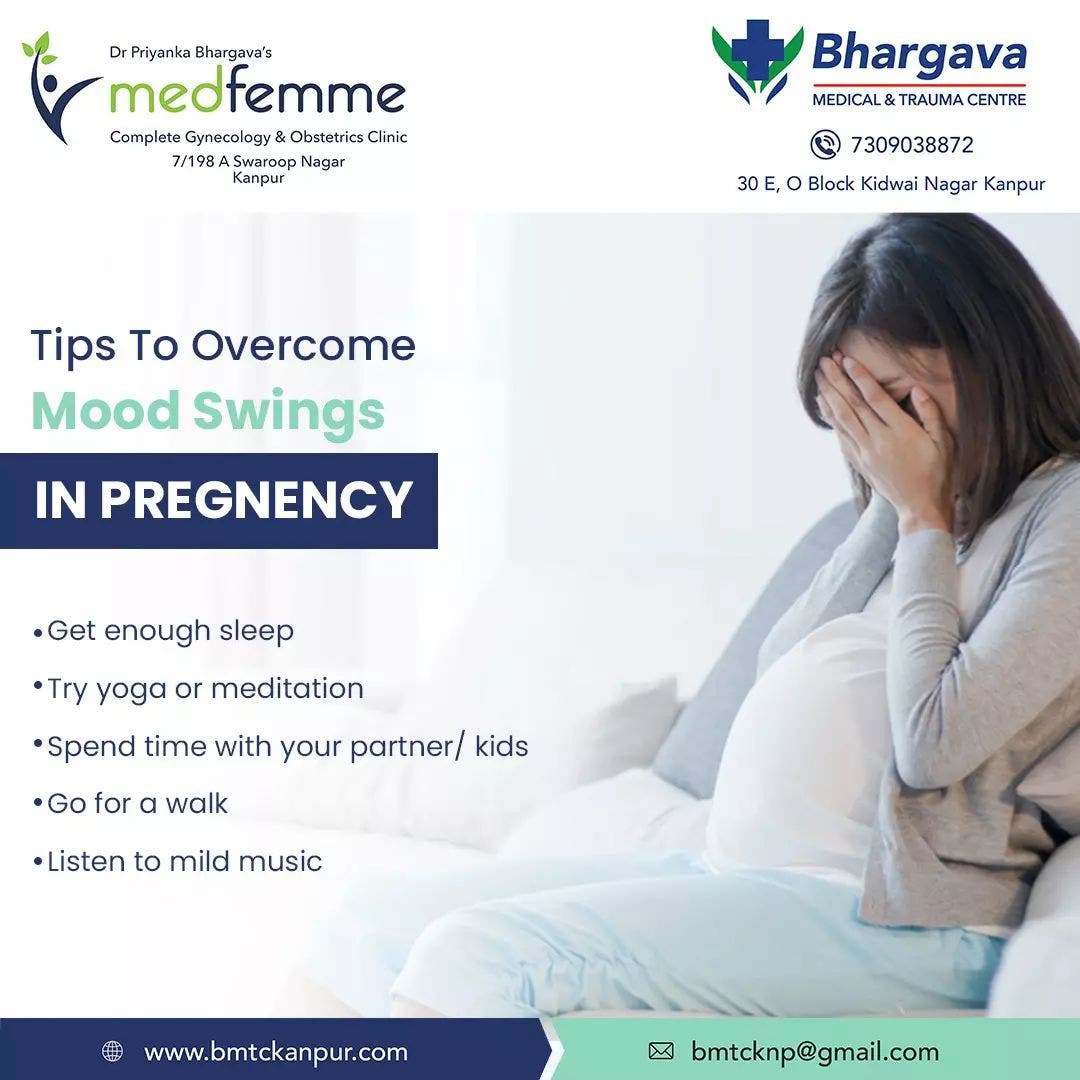
Pregnancy Mood Swings – Why They Happen and How to Manage Them

Pregnancy is a time of major physical and emotional change. Mood swings are extremely common and are a normal part of the journey for many women.
Why Do Mood Swings Happen?
- Hormonal Fluctuations: Rapid shifts in estrogen and progesterone.
- Fatigue: Lack of sleep can worsen emotional sensitivity.
- Stress: Concerns about motherhood and life changes.
- Physical Changes: Adjusting to a changing body.
How to Manage Them
- Get Adequate Sleep: Rest is critical for emotional balance.
- Stay Active: Light exercise releases mood-boosting endorphins.
- Talk it Out: Communicate your feelings with your partner, friends, or family.
- Relaxation Techniques: Meditation, deep breathing, or prenatal yoga.
- Take Breaks: Don't be afraid to take time for yourself and your hobbies.
If feelings of sadness or anxiety become persistent or overwhelming, professional support is available and highly recommended.
Frequently Asked Questions
Why do I feel so emotional?
Hormonal shifts, fatigue, and the stress of life changes all contribute to mood swings.
When do mood swings usually peak?
Often in the first and third trimesters when hormonal changes are most intense.
How can my partner help?
Through patience, listening, and offering practical support like help with chores.
Are mood swings a sign of depression?
Not necessarily, but if feelings of sadness are constant or severe, you should speak to your doctor.
Does exercise help mood?
Yes, light exercise releases endorphins that can improve your mood.