
Pregnancy Care
Morning Sickness During Pregnancy – Myths, Facts and Management Tips

Morning sickness is one of the most common symptoms experienced during pregnancy. Despite its name, it can occur at any time of the day and affect women differently.
Understanding Morning Sickness
Symptoms typically involve nausea and sometimes vomiting, especially during the first trimester. Hormonal changes are believed to be the primary cause.
Common Myths
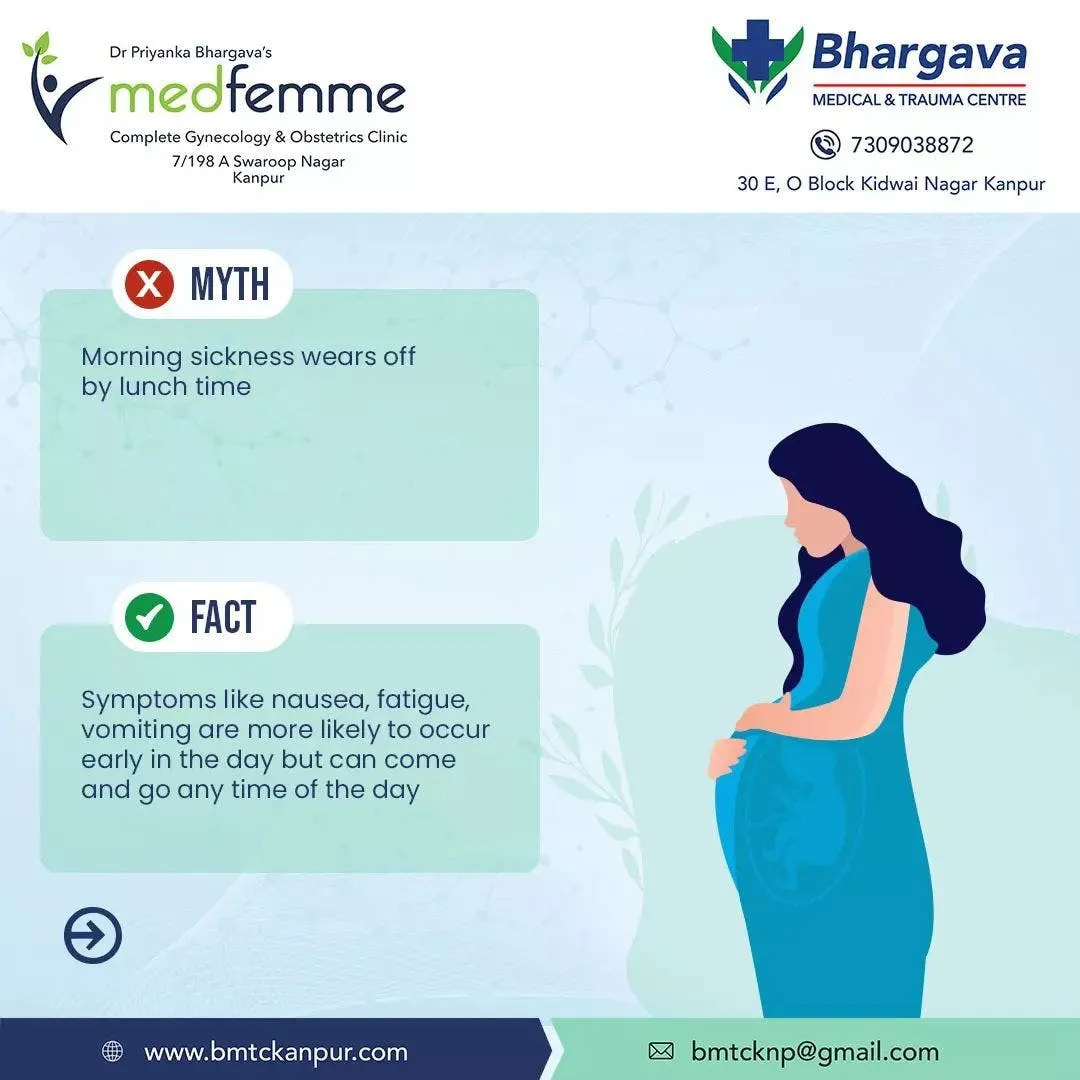
- Myth: It only happens in the morning.
- Fact: It can strike at any time—afternoon, evening, or night.
Management Tips
- Eat Small Meals: Graze throughout the day rather than eating large meals.
- Stay Hydrated: Sip water, ginger tea, or clear broths.
- Avoid Triggers: Identify smells or foods that worsen nausea.
- Ginger & Vitamin B6: Often recommended for relief.
- Get Adequate Rest: Fatigue can make nausea worse.
While usually harmless, severe vomiting (Hyperemesis Gravidarum) requires medical attention.
Frequently Asked Questions
When do morning sickness usually start?
Typically around week 6 of pregnancy.
Why is it called morning sickness if I'm sick all day?
It's a misnomer; nausea can strike at any time of day or night.
Can morning sickness harm my baby?
Mild to moderate nausea is normal and doesn't harm the baby.
What is Hyperemesis Gravidarum?
A severe form of morning sickness that may require hospital treatment for dehydration.
Does ginger really help?
Yes, ginger tea or candies are a proven natural remedy for mild nausea.