
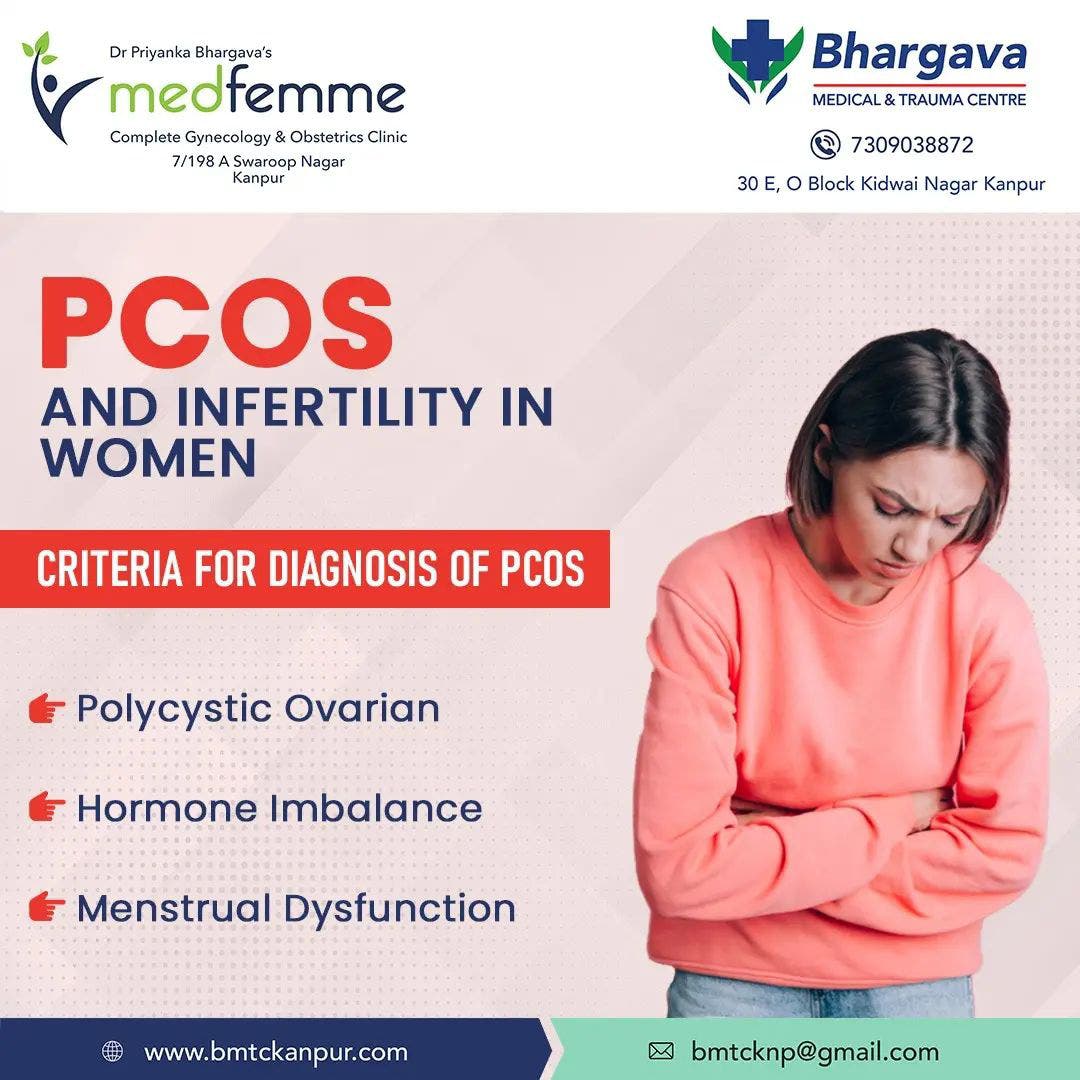
PMOS(PCOS) Symptoms, Causes and Treatment: A Complete Guide for Women

iKey Takeaways
- ✓PMOS(PCOS) is a common hormonal disorder affecting reproductive-age women.
- ✓Early diagnosis can prevent long-term metabolic complications.
- ✓Lifestyle changes (diet & exercise) are the foundation of management.
- ✓Successful pregnancy is possible with proper medical guidance.
Polycystic Ovary Syndrome (PMOS(PCOS)) is one of the most common hormonal disorders affecting women of reproductive age. It can impact menstrual cycles, fertility, metabolism, and overall health. Many women experience symptoms for years before receiving a proper diagnosis.
What is PMOS(PCOS)?
PMOS(PCOS) is a hormonal condition where the ovaries produce higher-than-normal levels of androgens (male hormones). This hormonal imbalance can interfere with ovulation and lead to multiple health concerns.
Common Symptoms of PMOS(PCOS)
Women with PMOS(PCOS) may experience a variety of symptoms, which can vary in severity:
- Irregular Periods: Infrequent, irregular, or prolonged menstrual cycles.
- Fertility Issues: Difficulty getting pregnant due to irregular ovulation.
- Physical Changes: Excess facial or body hair (hirsutism), severe acne, and male-pattern baldness.
- Weight Gain: Struggle with weight management, particularly around the abdomen.
- Metabolic Signs: Fatigue, mood changes, and oily skin.
The 4 Main Types of PMOS(PCOS)
Understanding your specific type is crucial for effective treatment:
1. Insulin Resistant PMOS(PCOS)
This is the most common form. High insulin levels trigger excess androgen production and disrupt the delicate balance of the ovaries.
2. Adrenal PMOS(PCOS)
Associated with chronic stress and elevated adrenal hormones (like DHEA-S) rather than insulin issues.
3. Inflammatory PMOS(PCOS)
Long-term low-grade inflammation may contribute to hormonal imbalances and ovulation problems.
4. Post-Pill PMOS(PCOS)
Some women experience temporary PMOS(PCOS)-like symptoms after stopping oral contraceptive pills as their body re-adjusts.
Comprehensive Management Strategies
Managing PMOS(PCOS) requires a multi-faceted approach tailored to your specific needs and goals.
Nutritional Excellence
A balanced diet rich in vegetables, fruits, lean proteins, and whole grains helps regulate hormones and improve insulin sensitivity. Focus on Low Glycemic Index (GI) foods to prevent insulin spikes.
Weight & Metabolism
Even modest weight loss (5-10% of body weight) can significantly improve menstrual regularity and fertility outcomes by reducing androgen levels.
Regular Physical Activity
Exercise is not just about weight; it helps control blood sugar levels, reduces inflammation, and improves mental well-being.
Medical Interventions
Depending on your symptoms and fertility goals, Dr. Priyanka Bhargava may recommend:
- Hormonal contraceptives to regulate cycles.
- Anti-androgen medications.
- Insulin-sensitizing drugs like Metformin.
- Ovulation-inducing medications for those planning pregnancy.
Fertility and PMOS(PCOS): The Path to Motherhood
Can women with PMOS(PCOS) get pregnant? The answer is a resounding Yes. Although PMOS(PCOS) can make conception more challenging, many women successfully achieve healthy pregnancies with proper medical guidance, lifestyle modifications, and targeted fertility support.
When to see a doctor
If you have missed periods for more than 3 months or are struggling with sudden unexplained weight gain and facial hair growth, consult a gynecologist immediately.
Frequently Asked Questions
Can PMOS(PCOS) be cured?
While there is no permanent cure, symptoms can be effectively managed through lifestyle changes and medical treatment.
Does PMOS(PCOS) always cause infertility?
No, many women with PMOS(PCOS) conceive naturally or with minor medical assistance.
What is the main cause of PMOS(PCOS)?
The exact cause is unknown, but genetics and insulin resistance play a major role.
Is weight gain common in PMOS(PCOS)?
Yes, hormonal imbalances often lead to weight gain around the abdomen.
Who is the best doctor for PMOS(PCOS) in Kanpur?
Dr. Priyanka Bhargava at Medfemme Clinic is a leading specialist in PMOS(PCOS) management.