
Uterine Fibroids – Symptoms, Causes, and Treatment Options

Uterine fibroids are non-cancerous growths that develop within or around the uterus. They are extremely common and affect many women during their reproductive years.
Common Symptoms
Some women have no symptoms, while others experience:
- Heavy menstrual bleeding
- Prolonged periods
- Pelvic pain and abdominal bloating
- Frequent urination
- Constipation and lower back pain
Causes and Factors
The exact cause is not fully understood, but factors include:
- Hormonal changes (estrogen and progesterone)
- Genetics and family history
Diagnosis
Diagnosis usually involves a pelvic examination and imaging studies such as an ultrasound.
Treatment Options
Management depends on symptoms, fibroid size, and future pregnancy plans:
- Observation: For small, symptom-free fibroids.
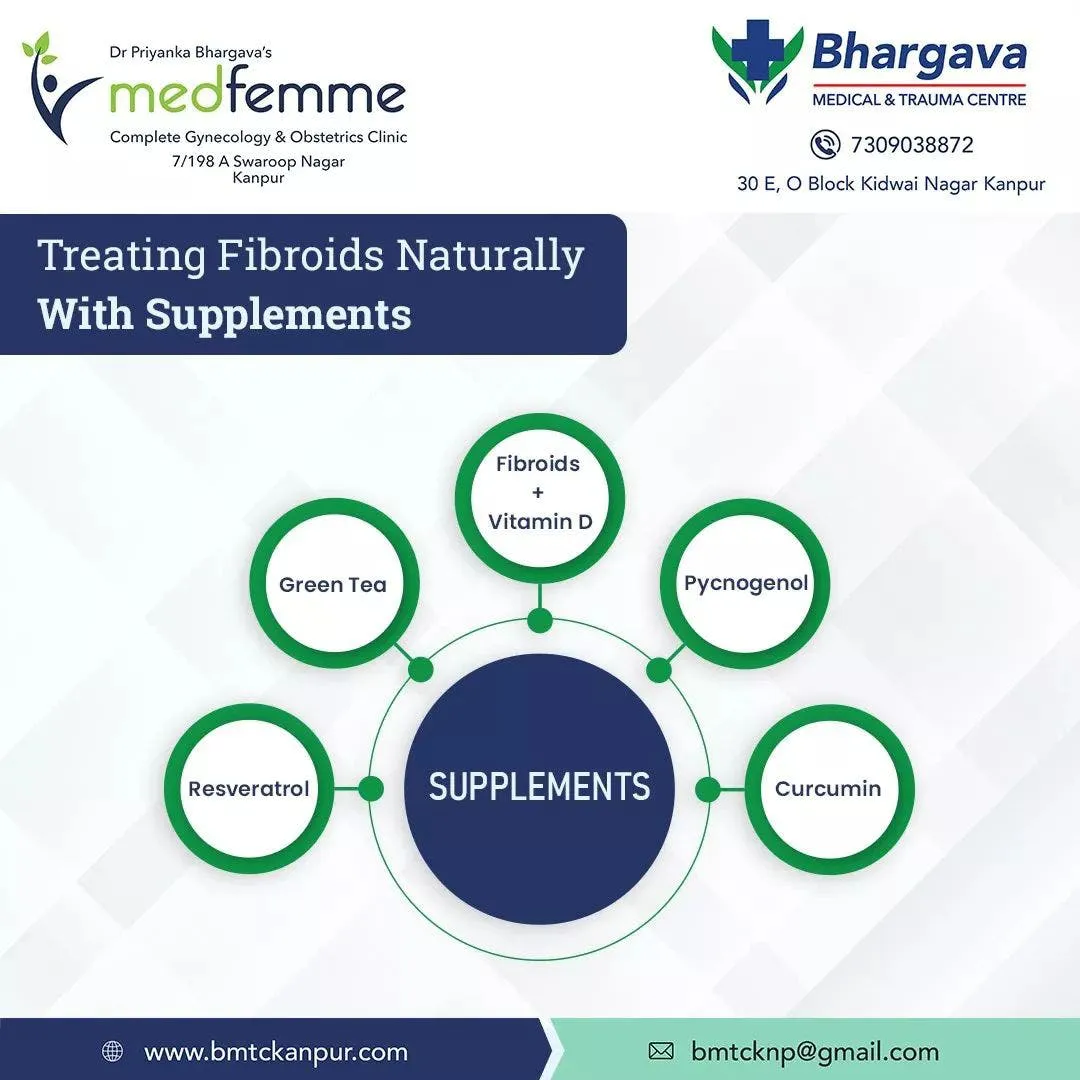
- Medications: To control symptoms.
- Minimally Invasive Procedures: Such as uterine artery embolization.
- Surgery: Myomectomy (removal of fibroids) or hysterectomy.
Frequently Asked Questions
Are fibroids cancerous?
No, uterine fibroids are almost always non-cancerous (benign).
What is the most common symptom of fibroids?
Heavy or prolonged menstrual bleeding is the most frequent sign.
Do fibroids need to be removed?
Only if they cause symptoms like pain, heavy bleeding, or fertility issues.
Can fibroids shrink on their own?
They often shrink after menopause when estrogen levels drop.
What is the best treatment for fibroids in Kanpur?
Medfemme Clinic offers both medical management and advanced laparoscopic surgery.